


Which Polyurethane Catalyst Delivers Better Results in 2026 DMDEE or Alternatives
In 2026, DMDEE, including MOFAN DMDEE with chemical identifier 6425-39-4, is expected to remain a top catalyst for polyurethane manufacturing. Selecting the right catalyst shapes product quality and safety.
| Factor | Description |
|---|---|
| Type of polyurethane system | Different systems require varying catalyst activities and selectivities. |
| Desired reaction profile | The catalyst must achieve the desired reaction rate and gelation time. |
| Processing conditions | Temperature and equipment can affect catalyst effectiveness. |
| Environmental regulations | Regulations drive the need for low-VOC and low-emission catalysts. |
| Cost | Catalyst cost is crucial, especially in high-volume applications. |
| Toxicity | Lower toxicity profiles are essential for safety and environmental impact. |
| Compatibility with additives | The catalyst must be compatible with other formulation additives to avoid performance issues. |
Catalyst Role in Polyurethane
Why Catalyst Choice Matters
A catalyst is a key ingredient in the production of polyurethane. It speeds up the chemical reaction between the main components, helping manufacturers control how quickly the material forms. The choice of catalyst can change the reaction rate, the time it takes for the foam to set, and the final quality of the product.
The selection of catalysts significantly impacts the reaction rates and properties of polyurethane products. For example, traditional catalysts like tertiary amines and organometallic compounds can show inconsistent reaction speeds. This may lead to longer curing times and weaker mechanical properties. Some catalysts work best only at certain temperatures, which can cause problems if the process conditions change. The right catalyst helps balance gel time and cure time, which affects how well the final product sticks and how long it lasts.
Impact on Foam Properties
The catalyst not only affects how fast polyurethane forms but also its strength and durability. Studies show that the right catalyst level, usually between 0.5% and 3% of the total mix, gives the best results. Too much catalyst can make the foam brittle and reduce its ability to insulate. Too little can leave the foam weak and unstable.
- Catalyst choice affects:
- Curing speed and foam quality
- Mechanical strength and resilience
- Density and insulation properties
Choosing the correct catalyst ensures that polyurethane products meet the needs of different industries, from construction to automotive.
DMDEE Overview
Chemical Profile and Features
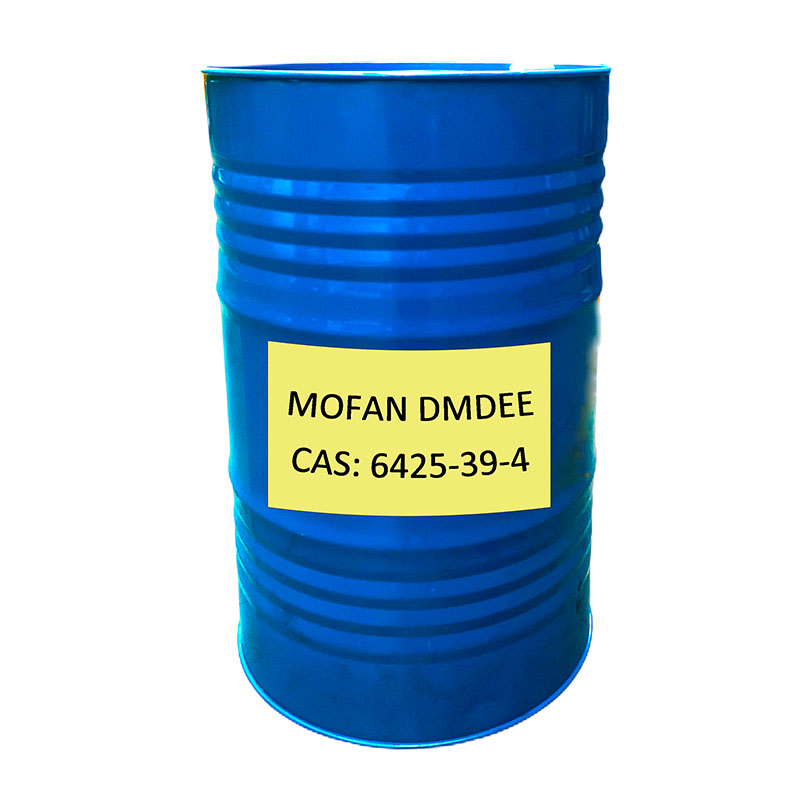
DMDEE, also known as 2,2-dimorpholinodiethylether, is a tertiary amine catalyst widely used in the production of polyurethane foams. MOFAN DMDEE stands out for its high purity and consistent quality. The product appears as a colorless to light yellow liquid and is completely miscible in water. It is packaged in 200 kg drums or can be customized to meet specific manufacturing needs. The table below summarizes the key chemical and physical properties of MOFAN DMDEE:
| Property | MOFAN DMDEE |
|---|---|
| Chemical name | 2,2′-dimorpholinyldiethyl ether |
| CAS Number | 6425-39-4 |
| Molecular formula | C12H24N2O3 |
| Molecular weight | 244.33 |
| Flash Point (°C) | 156.5 |
| Viscosity @ 20 °C (cst) | 216.6 |
| Specific Gravity @ 20°C (g/cm3) | 1.06 |
| Water Solubility | completely miscible |
| Appearance | colorless to light yellow liquid |
| Content % | 99.00 min |
| Water content % | 0.50 max |
Note: While DMDEE is not classified as dangerous goods, it can cause serious eye irritation. Always use gloves and goggles when handling. Ensure good ventilation in the workspace.
Main Applications
DMDEE plays a vital role in several industrial processes. It is especially effective in the production of polyester polyurethane foams, where it helps control reaction speed and foam quality. Manufacturers often choose DMDEE for one-component foam (OCF) systems because it provides fast cream and gel times. In PU injection grouting, DMDEE enhances waterproofing and sealing performance. These features make it a preferred catalyst for foam sealants and industrial waterproofing products.
Alternatives to DMDEE
Common Catalysts
Manufacturers often look for other catalysts when they need different results in polyurethane production. Several options are available in 2026. The most common alternatives include organobismuth catalysts, amine catalysts, and zinc catalysts. Each type offers unique benefits for urethane systems.
| Catalyst Name | Catalytic Efficiency | Hydrolysis Resistance | Cost | Applicable Scenarios |
|---|---|---|---|---|
| Organobismuth Catalyst (BiCAT) | 70%-85% | pH 7-8: >95% | Higher | Environmentally friendly adhesives and food contact materials |
| Amine Catalyst (DMEA) | 60%-80% | pH 7-8: >85% | Lower | Common coatings, low-cost sealants |
| Zinc Catalyst (ZnOct) | 75%-90% | pH 7-8: >80% | Medium | Products with high requirements for high temperature reaction and weather resistance |
Organobismuth catalysts show strong hydrolysis resistance and high catalytic activity. Amine catalysts like DMEA are popular for their lower cost and reliable performance in basic urethane applications. Zinc catalysts work well in products that need to withstand high temperatures or harsh weather.
Unique Properties
Each catalyst affects the polyurethane blowing catalyst and the blowing process in different ways. Organobismuth catalysts are often chosen for their environmental safety and ability to produce clean urethane foams. Amine catalysts help control the reaction speed and are easy to handle. Zinc catalysts improve durability and are used in applications where weather resistance matters most.
Tip: Selecting the right catalysts depends on the desired foam quality, cost limits, and the specific requirements of the urethane system. Manufacturers should test each catalyst in their own process to find the best fit.
These alternatives give producers more choices and help them meet changing industry needs.
DMDEE vs Alternatives: Performance
Reactivity and Selectivity
Reactivity and selectivity are important for making high-quality polyurethane products. Reactivity shows how fast the chemical reaction happens. Selectivity means how well the catalyst controls which reactions take place. These factors affect how the foam forms and how strong it becomes.
The table below compares the reactivity of different catalysts in water-blown polyurethane systems:
| Catalyst | Reaction Type | Relative Activity | Foaming Speed |
|---|---|---|---|
| DMDEE | Water-blown | Moderate | Medium |
| A-1 | Water-blown | High | Fast |
| BL-11 | Water-blown | Very High | Very Fast |
| TEDA | Water-blown | High | Fast |
| PC-5 | Water-blown | Low-Moderate | Slow |
DMDEE shows moderate activity and a medium foaming speed. This helps manufacturers control the process and avoid problems like too much heat or uneven foam. Some alternatives, such as BL-11 and A-1, react much faster. These can be useful for quick production but may be harder to control.
Selectivity is also important. The table below shows how each catalyst performs in selectivity and other key areas:
| Catalyst | Water/Alcohol Selectivity | Gelation Influence | Cell Openness |
|---|---|---|---|
| DMDEE | High | Low | Moderate |
| A-1 | Medium | Medium | High |
| BL-11 | Very High | Low | High |
| TEDA | High | Medium | Moderate-High |
| PC-5 | Low | High | Low |
DMDEE has high selectivity for water and alcohol reactions. This means it helps make the right kind of foam without causing unwanted side reactions. It also has a low influence on gelation, which helps keep the foam structure stable. Other catalysts, like BL-11, have very high selectivity and create open cells, which can be good for some uses but not all.
Note: Choosing the right catalyst depends on the speed and control needed for each polyurethane application.
Foam Quality and Odor
Foam quality depends on how well the catalyst balances the blowing and gelation reactions. Good foam has a uniform cell structure and few defects. The table below shows how DMDEE affects foam quality and odor:
| Aspect | Impact of DMDEE |
|---|---|
| Cell Structure | Promotes uniform cell structure by balancing gelation and blowing reactions, preventing defects. |
| Odor | Associated with a mild amine odor, which is less intense compared to other catalysts. |
DMDEE helps create foam with fine, even cells. This is important for products like automotive seats and insulation panels. Uniform cells make the foam strong and comfortable. Some alternative catalysts can produce larger or uneven cells, which may lower the quality.
Odor is another factor to consider. DMDEE has a mild amine smell. This is less noticeable than the strong odors from some other catalysts. Lower odor levels make the working environment better and improve the final product for users.
Tip: For applications where odor and cell structure matter, DMDEE is often a preferred choice.
Cost and Availability 2026
Price Trends
The market for polyurethane catalysts is expected to grow in 2026. Market analysis shows that the DABCO market will rise from USD 204.46 million in 2025 to USD 224.11 million in 2026. This growth rate suggests that prices for DMDEE and its alternatives may also increase. The demand for polyurethane products in industries like automotive, construction, and furniture continues to drive this trend. Manufacturers look for catalysts that offer high stability and storage stability, which helps control costs over time. As more companies focus on energy-efficient materials, the need for stable and reliable catalysts grows. This demand can affect both price and availability.
DMDEE remains popular because of its excellent stability and product stability in foam formulations. Alternatives like led-103 may have higher initial costs, but they can offer savings through better production efficiency and lower regulatory costs. The choice between DMDEE and other catalysts often depends on the balance between price, stability, and long-term savings.
Supply Chain Factors
Several factors shape the supply and availability of polyurethane catalysts in 2026:
- DMDEE is essential for many industrial processes, especially where stability and storage stability are important.
- The push for better manufacturing efficiency increases the demand for DMDEE and other high-stability catalysts.
- Regulatory changes about volatile organic compounds can lead suppliers to reformulate products, which may impact storage stability and pricing.
- Fluctuations in the supply of amine intermediates can disrupt product stability and established procurement patterns.
- Expanding production capacity in Asia, especially China, is likely to influence the supply and cost of DMDEE and similar catalysts.
Manufacturers must monitor these factors to ensure consistent product stability and storage stability in their polyurethane foam production.
Environmental and Safety
Regulatory Trends
Regulations for polyurethane catalysts continue to evolve. Governments and industry groups focus on reducing risks to workers and the environment. In 2026, many countries require manufacturers to use catalysts with lower emissions and safer profiles. DMDEE is not classified as a carcinogen or mutagen under current EU or US standards. However, it has a moderate environmental impact compared to some alternatives.
| Catalyst Type | Environmental Impact |
|---|---|
| DMDEE | Moderate |
| CS90 Amine Catalyst | Low |
| Bismuth-based Catalysts | Very Low |
Bismuth-based catalysts and some newer amine options show lower environmental risks. These trends encourage polyurethane producers to consider both performance and environmental safety when choosing a catalyst. Proper disposal of DMDEE is important because it degrades slowly in the environment.
Safe Handling
Safe handling of polyurethane catalysts protects workers and ensures product quality. DMDEE has a moderate toxicity profile. It is important to use personal protective equipment (PPE) and follow safety guidelines.
| Parameter | Information |
|---|---|
| LD₅₀ (oral, rat) | >2000 mg/kg |
| Skin irritation | Mild |
| Eye irritation | Moderate |
| Inhalation hazard | Low |
| PPE required | Gloves, goggles, ventilation |
- Skin contact may cause irritation; gloves are recommended.
- Eye contact can cause redness and discomfort; use eye protection.
- Inhalation of vapors may irritate the respiratory tract; ensure good ventilation.
Note: DMDEE and other polyurethane catalysts should always be handled in well-ventilated areas. Follow local regulations for storage and disposal to minimize environmental impact.
Application Examples
Where DMDEE Excels
MOFAN DMDEE shows strong performance in many polyurethane applications. Manufacturers use it in PU foam sealants, waterproofing, and industrial products. The following table highlights real-world results from different industries:
| Application Type | Case Study Evidence |
|---|---|
| Moisture-curing sealants & adhesives | “We switched to DMDEE in our win glazing sealant line,” says Maria Lopez, R&D manager at Fenex Seals (Spain). “Cure consistency improved by 40%, and customer complaints about cracking dropped to zero.” |
| Rigid & flexible foams | DMDEE enhances flowability and cell structure uniformity, critical for comfort-grade mattresses. |
| Coatings & elastomers | DMDEE enables self-curing films with excellent hardness development and adhesion in truck bed liners. |
These examples show that dmdee helps create products with better curing, improved durability, and fewer defects. In waterproofing, it supports strong seals that last longer. In foam production, it gives a uniform cell structure, which is important for comfort and strength.
Where Alternatives Lead
Alternative catalysts also play important roles in polyurethane manufacturing. Organobismuth catalysts are often chosen for adhesives and food contact materials because they have low toxicity and high hydrolysis resistance. Amine catalysts like DMEA are popular in low-cost sealants and coatings. Zinc catalysts work well in products that need to resist high temperatures and harsh weather.
- Organobismuth catalysts: Used in eco-friendly adhesives and sensitive applications.
- Amine catalysts: Common in basic foams and coatings where cost is a main concern.
- Zinc catalysts: Preferred for outdoor products that face heat and moisture.
Tip: The best catalyst depends on the product’s needs. For high durability and comfort, DMDEE is a top choice. For special safety or environmental needs, alternatives may be better.
Formulation Tips
Choosing the Right Catalyst
Selecting the best catalyst for a polyurethane system requires careful evaluation. Each formulation has unique needs. Consider these important points:
- Check how active and efficient the catalyst is in your process.
- Make sure the catalyst works well with the polyol and other ingredients. Poor compatibility can cause foam defects.
- Think about how much catalyst you plan to use. The amount can change the foam’s strength and density.
- Review environmental and safety rules. Some catalysts have lower VOC emissions and less toxicity.
Tip: Testing small batches first helps you see how the catalyst affects your final product.
Optimizing Dosage
Getting the dosage right is key to making high-quality foam. Too much or too little can lead to problems. The table below shows recommended dosage ranges for common catalysts:
| Catalyst | Recommended Dosage (pphp) | Notes |
|---|---|---|
| DMDEE | 0.1–0.5 | High-quality, high-volume production |
| DABCO 33-LV | N/A | Older catalyst with less efficiency |
| TEDA | N/A | Older catalyst with less efficiency |
- DMDEE helps control reaction timing better than older options.
- It also produces less odor, which is good for workers and the environment.
Always adjust the dosage based on your specific formulation and production needs. Start with the recommended range and fine-tune as needed.
Challenges and Limitations
DMDEE Issues
DMDEE is a popular catalyst, but it comes with some technical challenges in polyurethane production. Manufacturers should be aware of these points:
- DMDEE has reduced amine activity, which helps keep it stable in HFO-based systems. This stability prevents early reactions that could harm foam structure.
- The catalyst is sensitive to moisture. Over time, exposure to moisture can lower its storage stability and reduce its effectiveness.
- In high-speed continuous line operations, DMDEE may not perform well unless used with a co-catalyst.
- In systems with high isocyanate content, such as high-index formulations, DMDEE may not match the performance of stronger base catalysts.
Note: Understanding these issues helps manufacturers plan for consistent results and avoid unexpected problems during production.
Alternative Drawbacks
Alternative catalysts offer different benefits, but they also have their own set of limitations. Some of the main drawbacks include:
- Traditional catalysts can show inconsistent reaction speeds under different conditions.
- Some alternatives require longer curing times, sometimes up to 24 to 72 hours, especially for thick products.
- Bismuth-based and other non-tin catalysts may need higher concentrations to achieve the same effect as traditional options.
| Limitation Type | Description |
|---|---|
| Catalytic Activity | Bismuth-based catalysts are generally less effective than traditional catalysts in foam applications. |
| Cost | These alternative catalysts may have higher costs compared to traditional options. |
| Safety | Bismuth-based catalysts have lower toxicity, but safety concerns still exist with other alternatives. |
Formulators must weigh these factors when choosing the best catalyst for their polyurethane products.
Choosing the best catalyst in 2026 depends on your polyurethane application.
- DMDEE works well for consistent foam quality and low odor.
- Organotin catalysts speed up curing for sealants in new energy vehicles and green buildings.
- Manufacturers should track regulations, use green catalysts, and regularly review safety and environmental impacts.
FAQ
What is the main advantage of using DMDEE in polyurethane foam?
DMDEE gives consistent foam quality and low odor. It helps control reaction speed and improves the final product’s strength.
Are DMDEE alternatives safer for the environment?
Some alternatives, like bismuth-based catalysts, have lower environmental impact. They are often chosen for eco-friendly or sensitive applications.
Can I switch from DMDEE to another catalyst easily?
Switching requires testing. Each catalyst reacts differently. Manufacturers should run small trials to check compatibility and performance before full-scale use.
Post time: Mar-17-2026