


Special Polyols: Complete Guide to Types, Properties and Applications
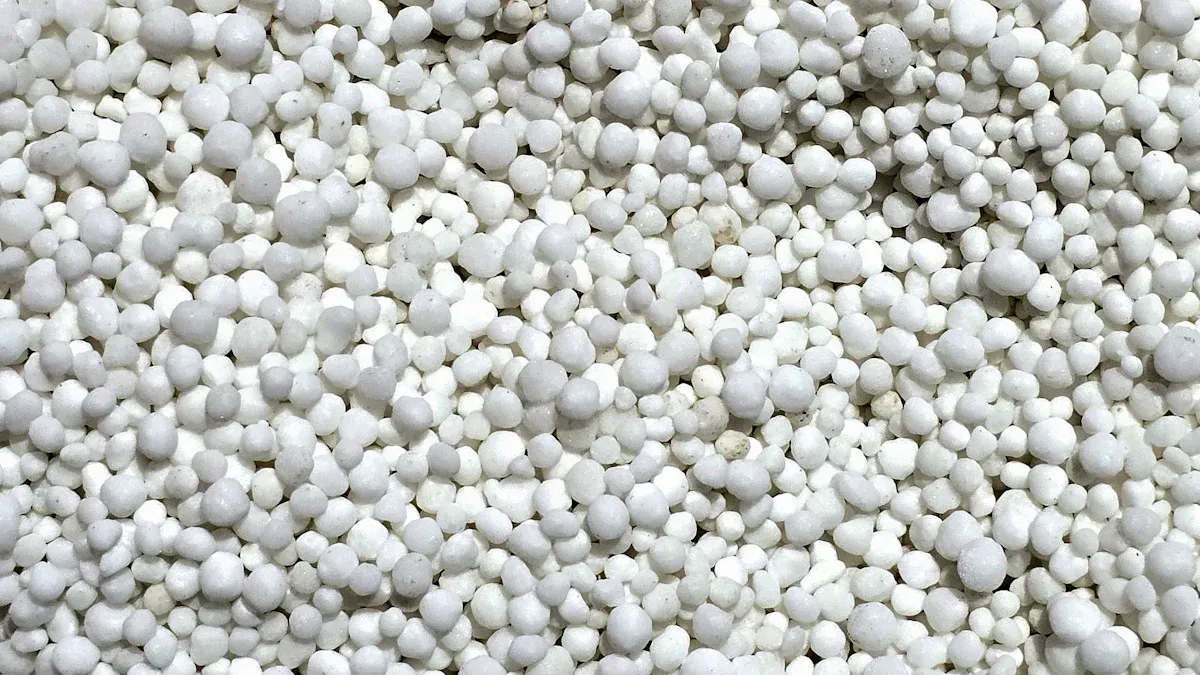
In polymer chemistry, special polyols serve as essential building blocks. Hydroxyl groups react with isocyanates to form strong urethane linkages. MOFAN manufactures technical polyether series and superior polyethylene glycols (PEG) for industrial systems. Chemical engineers use these components in rigid insulation, flexible foam, and polyurethane elastomers.
Polyether polyols account for about 80% of the polyol types used in polyurethane, polyurea and polyisocyanurate systems, which include CASE (Coatings, Adhesives, Sealants, and Elastomers) applications.
| Metric | Value |
|---|---|
| Base-year market size (2025) | $10.52 Bn |
| Projected market size (2033) | $15.75 Bn |
| Compound Annual Growth Rate (CAGR) | 5.5% |
This growth demonstrates the economic scale of polyols across industrial manufacturing.
Key Takeaways
- Special polyols form strong urethane links with isocyanates to create high-performance polyurethanes.
- Polyether polyols resist water damage better than polyester polyols in wet environments.
- High-functionality polyols increase crosslink density to raise material hardness and heat resistance.
- High-molecular-weight diols lower urethane counts to keep sealants flexible at sub-zero temperatures.
- Aromatic polyols supply strong heat resistance and flame retardancy for rigid thermal insulation panels.
- Pure polyethylene glycols provide smooth lubrication and antistatic control across diverse processing industries.
- Low potassium levels in raw materials prevent unwanted chemical reactions during factory production.
Understanding Special Polyols in Industrial Chemistry
Chemical Structure of Polyether and PEG Polymers
Polymer chemists design special polyols to build reliable, durable materials. The molecular architecture relies on repeating ether linkages that provide flexural endurance and dynamic strength. Reacting initiators with cyclic ethers creates diverse chains tailored for industrial formulations.
| Polyol Type | Core Repeating Unit (Molecular Structure) | Typical Chain Configuration | Key Structural Feature |
|---|---|---|---|
| Polyether Polyols (General) | Epoxides (e.g., Ethylene Oxide, Propylene Oxide) | Varies (often linear or branched) | Produced by reacting epoxides with multifunctional initiators, forming flexible chains. |
| Polyethylene Glycol (PEG) | Ethylene Oxide | Linear | A specific polyether polyol with a structure based on repeating ethylene oxide units. |
| Polypropylene Glycol (PPG) | Propylene Oxide | Linear | Differs from PEG in its repeating propylene oxide unit, influencing properties like oxidation resistance. |
| Poly(tetramethylene ether) Glycol (PTMEG) | Tetramethylene Ether | Linear | Comprised of repeating tetramethylene ether units, contributing to exceptional elastic properties. |
Selecting between polyether polyols and polyester polyols alters backbone resistance significantly. Polyether structures offer superior resistance to hydrolytic cleavage in humid settings. Conversely, ester linkages in polyester polyols provide high mechanical abrasion resistance. MOFAN supplies performance polyols that balance chemical endurance with precise processing behavior.
Role of Polyols in Polyurethane Systems
Synthesis of high-performance polyurethane depends on the stoichiometric addition of active hydroxyl groups to reactive functional compounds. The primary reaction occurs when a terminal hydroxyl group encounters an isocyanate molecule. This step forms a strong urethane linkage along the growing polymer chain.
hydroxyl group + isocyanate -> urethane linkageFormulators combine different polyols with specific types of isocyanate to control foam density, polymer hardness, and thermal resistance. Liquid resin blends require balanced kinetic reaction rates to prevent premature gelling during processing. Adding crosslinking additives accelerates cure schedules and improves final cohesive toughness. MOFAN supplies specialized technical grades that ensure consistent processing across automated production equipment.
Functional Classifications by Molecular Weight and Hydroxyl Number
Hydroxyl values direct the crosslinking density and physical properties of cured thermoset networks. Low molecular weight additives possess elevated hydroxyl numbers, creating rigid polymer segments with tight crosslink densities. High molecular weight diols feature low hydroxyl numbers, yielding soft elastomeric segments suitable for sealants.
Selecting appropriate hydroxyl numbers allows engineers to customize mechanical flexibility and tensile behavior accurately. Higher molecular weights reduce overall urethane group concentrations within the matrix. Lower molecular weights increase hard segment content, increasing thermal resistance and compressive load capacity. MOFAN manufactures technical polyols across broad molecular weights to meet exacting industrial manufacturing requirements.
Key Types and Physical Properties of Polyether Formulations
Special polyols provide tailored processing behavior and durable service life across industrial chemical applications. Polyether polyols feature oxygen linkages in their molecular chains. These ether bonds deliver excellent hydrolytic stability in wet processing environments. Chemical engineers often contrast these systems with polyester polyols. While polyester polyols offer strong physical toughness, polyester polyols lack equal hydrolytic stability. Polyester polyols degrade faster when exposed to constant moisture. MOFAN designs special formulations to protect dynamic components against water degradation and harsh chemical exposure.
High-Functionality Crosslinkers and Structural Diols
Polymer structures depend on initial molecular design to achieve distinct mechanical properties. High-functionality crosslinkers build dense three-dimensional networks, while structural diols form extended linear polymer chains.
Cohesion and Mechanical Strength Enhancers
High-functionality crosslinkers increase the number of reactive hydroxyl sites per molecule. Hydroxyl functionality between 2.0 and 4.0 raises crosslink density during polymerization. A higher crosslink density directly improves cohesive strength, physical hardness, and overall mechanical properties. MOFAN supplies PF-040, PF-450, and PF-1050 to optimize matrix cohesion. These additives enhance heat resistance in two-component adhesives, structural castings, and protective floor coatings.
Hydroxyl functionality (2.0–4.0) critically influences final matrix strength. Higher functionality creates tighter network crosslinking. This structural network raises overall hardness while preserving vital adhesive cohesion.
High-Elongation Diols for Low-Modulus Systems
Low-modulus applications require linear polymers with high molecular weights. High-molecular-weight diols like MOFAN PF-2080 and PF-2120 provide remarkable flexibility and high elongation. These structural diols lower total urethane concentration along the polymer backbone. Lower urethane group counts produce soft segments that retain low-temperature flexibility down to -60°C. Formulators utilize these linear diols to manufacture joint sealants and dynamic polyurethane elastomers.
Cell Openers, Hydrophilic, and High-Reactivity Grades
Specialty specialty additive grades modify internal foam cell structures and surface reaction kinetics. Functionality, hydroxyl values, and viscosity serve as primary metrics to classify these specialized polyols.
| MOFAN Product Grade | Functionality (f) | Molecular Weight (g/mol) | Primary Application Target |
|---|---|---|---|
| PF-3500 | 3 | 1200±300 | Cell opening in soft and hypersoft flexible foams |
| PF-010 | 3 | 2200±300 | Hydrophilic modifier for MDI systems and hydrogels |
| PF-628 | 6 | 1600±200 | High rebound polyurethane flexible foam |
| PF-2802 | High Reactivity | Specialized Grade | Tear strength enhancement for shoe soles |
Cell-opening grade PF-3500 prevents pneumatic shrinkage in low-density flexible foams. Hydrophilic grade PF-010 contains active hydroxyl groups that process smoothly in water-swelling hydrogels. High-reactivity grade PF-2802 increases tear strength in molded shoe soles. These specialty polyols maintain stable physical properties during high-speed production cycles.
Aromatic and Novolac Polyols for Flame Retardancy
Rigid thermal insulation demands rapid processing speeds, strong structural strength, and severe fire endurance. Aromatic and novolac-based polyols incorporate aromatic rings into the main polymer chain. Products like MOFAN PF-800, PF-1380, and PF-585 deliver superior thermal performance compared to conventional polyols.
| Processing & Thermal Property | SA-Based (Aromatic) Polyols | Conventional Polyether Polyols |
|---|---|---|
| Foaming Reaction Speed | Faster gel, tack-free, and rise times | Slower reaction profile |
| Required Catalyst Volume | Low catalyst requirements | High catalyst requirements |
| Thermal Degradation Profile | Secondary DTG peak at ~305°C; peaks up to ~460°C | Lower high-temperature thermal peaks |
| Chemical Bond Stability | Rigid C-C bonds and polyphenolic structures | Flexible C-O-C ether linkages |
| Isocyanate Reaction Extent | Low residual isocyanate peak at 2275 cm⁻¹ | Higher residual isocyanate peak |
Aromatic polyols react efficiently with active isocyanate groups during spray foam processing. The resulting polymer network releases protective polyphenolic structures at elevated temperatures. This chemical response forms a protective char layer during thermal exposure. Strong carbon-carbon bonds supply heat resistance, exceptional chemical resistance, and severe flame retardancy. Industrial applications rely on these aromatic building blocks for rigid insulation panels, polyisocyanurate boards, and dense polyurethane elastomers. The final materials provide long service life, reliable structural support, and continuous chemical resistance in aggressive industrial environments.
Superior Polyethylene Glycols in Industrial Processing
Overview of MOFAN PEG Product Series
Polyethylene glycols serve as versatile non-ionic polymers across diverse processing industries. MOFAN supplies a complete series of superior Polyethylene Glycols ranging from PEG1000 to PEG20000. These linear polyether materials contain active terminal hydroxyl groups. Manufacturers use these products as antistatic agents, industrial lubricants, releasing agents, and raw material intermediates. Chemical processes rely on these reliable chains to control moisture retention and lubricity in finished products.
Industrial formulators select specific polyglycol grades based on required chain lengths and functional properties. The textile, paper, metalworking, rubber, and pharmaceutical industries utilize these polyether compounds to improve processing efficiency. Lower molecular weight grades provide excellent solvency and wetting action. Higher molecular weight grades deliver high physical viscosity and strong binding capability. MOFAN tailors each chemical grade to satisfy strict physical specifications across automated manufacturing equipment.
Purity Standards and Potassium Control
Chemical synthesis requires strict raw material purity to ensure repeatable batch reaction rates. Unwanted trace catalyst residues like potassium ions disrupt sensitive chemical reactions. MOFAN controls residual potassium levels during polycondensation manufacturing processes. Controlling trace metal levels prevents unwanted secondary reactions during polyurethane polymer synthesis. Minimal ionic contamination maintains stable liquid viscosity during storage.
The industry is advancing toward higher quality expectations, stronger impurity control, and more resilient supply chains. Future competitiveness depends on the ability to deliver consistent PEG grades with strong technical support, regulatory documentation, and secure sourcing.
High-purity technical grades reduce structural defects in end-use formulations. Purity assurance protocols test every product batch to confirm chemical composition and maintain strict quality standards. USP/NF grade options satisfy United States Pharmacopeia monograph specifications for delicate medical products. Full compliance documentation accompanies pharmaceutical grades to provide complete batch traceability. Availability of USP/NF, Food (E1521), and technical grades lets engineers select the correct purity level for exact application requirements.
Physical Forms from Liquids to Powders
The molecular weight of a polyglycol determines its physical state at room temperature. Shorter polymer chains remain fluid liquids, while longer chains solidify into waxy solids or powders.
| Physical Form | Typical Molecular Weight Range (PEG) | Key Characteristics | Handling & Application Implications |
|---|---|---|---|
| Liquid | 200 – 600 | Clear, viscous, miscible with water, hygroscopic | Easy to pour and mix; requires containment due to liquid nature |
| Semi-Solid | 600 – 1000 | Paste-like consistency; solid at room temperature | May require gentle heating to achieve flow for processing |
| Solid Flakes | 1000 – 6000+ | White or off-white waxy flakes | Require melting for applications; easy handling in tablet manufacturing |
| Milled Powder | 6000+ | Free-flowing white powder | Enables easy dosing; flows well through automated equipment |
Formulators select physical forms to optimize production handling methods. Milled powders flow freely through automated dry-blending hoppers. Liquid forms blend immediately into aqueous chemical streams without heat input. Semi-solid pastes provide smooth ointment textures in pharmaceutical preparation. MOFAN supplies consistent physical forms to streamline industrial chemical mixing.
Industrial Applications of Polyether and PEG Systems
Polyurethane Adhesives, Sealants, and Coatings
Formulators select specialized polyols to engineer high-performance adhesives, sealants, protective coatings, and structural castings. In CASE systems, di-functional and tri-functional polyols build elastic networks with predictable curing behavior. Formulators often specify polyether diol and triol polyols with molecular weights from 1000 to 3000 for elastic non-foam polyurethane materials. These active building blocks form dynamic urethane bonds that maintain strength under repetitive mechanical stress.
| Industrial Sector | Major Applications for Technical Resins |
|---|---|
| CASE (Coatings, Adhesives, Sealants, Elastomers) | Forming durable polyurethane materials for coatings, adhesives, and elastomers. |
| Construction | Insulation PIR panels, composite wood products, spray/cavity-fill insulation, prefabricated panels. |
| Automotive | Car seats, headrests, dashboards, energy absorption parts, sound insulation, steering wheels. |
| Furniture | Flexible foams for cushioning in seats and mattresses. |
| Thermal Insulation | Spray insulation, insulated appliances, refrigeration units, refrigerated transport vehicles. |
Single-source polyether polyols deliver superior hydrolytic stability compared to polyester chemistry in humid processing environments. Liquid polyether grades retain flexibility at sub-zero temperatures because they possess low glass transition temperatures. For example, polypropylene glycol grades show glass transition values near -60°C. Poly(tetramethylene ether) glycol offers glass transition temperatures down to -75°C. These performance properties prevent premature cracking in exterior joint sealants. Industrial floor coatings utilize high-functionality polyols to increase crosslink density. Higher crosslinking creates dense surfaces that resist aggressive chemical spills and mechanical abrasion. Additionally, two-component adhesives rely on low-viscosity resins for rapid surface wetting. These reactive systems form resilient urethane linkages that bond metals, plastics, and structural composites securely. Specialty polyurethane elastomers deliver high rebound resilience in cast industrial wheels and microcellular footwear soles. Furthermore, custom formulations for polyurethane elastomers provide exceptional tear resistance under heavy dynamic loads.
Flexible, High-Resilience, and Rigid Insulation Foams
Foam manufacturing relies on matching hydroxyl functionality and chain length to specific technical requirements. Soft slabstock foam production utilizes long-chain polyols with low functionality between 2 and 3. Formulators select specialty polyols with molecular weights from 2000 to 7000 to generate flexible cellular structures for furniture cushioning and bedding products. High-resilience foams integrate specialized reactive polymers to enhance load-bearing capacity and cell rebound. Soft and hypersoft formulations require cell-opening additives to balance internal pneumatic pressure and prevent foam shrinkage after molding. Automotive interior applications utilize custom flexible systems to build comfortable car seats, armrests, headrests, and sound-insulating acoustic layers.
Rigid thermal insulation foams demand higher crosslinking levels to achieve structural rigidity and dimensional stability under thermal loads. Formulators use polyols with functionality values above 3 and elevated hydroxyl numbers. High crosslink density creates closed-cell structures that trap insulating gases inside the rigid polymer matrix. These tight cell structures provide long-term hydrolytic stability in outdoor environmental conditions. Finer cell sizes improve mechanical compressive strength while preserving low thermal conductivity in commercial insulation panels. Refrigerated transport vehicles, commercial appliances, and spray insulation rely on rigid polyurethane systems to prevent heat transfer. Construction projects install prefabricated polyisocyanurate panels to lower building energy consumption. Molded rigid foams also provide custom packaging solutions for fragile electronic equipment.
PEG Applications in Textiles, Rubber, and Pharmaceuticals
Polyethylene glycol polymers serve as versatile non-ionic processing aids across diverse industrial applications. Different molecular weight grades offer distinct functional characteristics in manufacturing operations.
- Textile Processing: Liquid grades like PEG-200 act as softeners and antistatic agents. Intermediate grades like PEG-400, 600, and 800 function as lubricants and wetting agents during fiber finishing. Higher molecular weight options like PEG-4000 act as adhesive plasticizers and softeners.
- Rubber Manufacturing: PEG-1000 and 1500 work as dispersants that promote efficient vulcanization and carbon black dispersion. Solid grades like PEG-4000 and 8000 serve as effective mold release agents, lubricants, and coolants.
- Pharmaceutical Formulations: Water-soluble polyols function as excipients and active intermediates in medical products. These purified raw materials enhance active drug solubility, binder efficiency, and delivery performance in oral and topical drug applications.
Industrial metalworking processes rely on polyethylene glycols for cooling, lubrication, and heat transfer. Paper manufacturers use polyglycol solutions to control moisture retention and improve surface smoothness. These functional additives provide chemical stability across acidic and alkaline processing baths. Modern industrial operations select specific polymer weights to optimize processing speeds and product quality.
Selection Criteria for MOFAN Special Polyols
Matching Hydroxyl Values and Functionality to Application Needs
Effective polyol selection requires matching hydroxyl numbers and functionality to target physical metrics. Functionality determines the crosslinking structure of the cured network. Hydroxyl values quantify active hydroxyl site concentrations per mass unit. Low hydroxyl values with functionality between 2 and 3 produce elastic networks. Higher hydroxyl values with functionality between 4 and 8 form tight thermoset structures. Formulators evaluate these metrics to balance final mechanical properties. For instance, a polyether polyol with a hydroxyl value of 150 mg KOH/g and number-average molecular weight of 1200 g/mol exhibits a functionality near 3.2. Formulators use this specific grade to produce semi-rigid foam panels for automotive interior panels.
| Parameter | Rigid Foam Applications | Flexible Foam Applications |
|---|---|---|
| Hydroxyl Value | 300–600 mg KOH/g | 20–100 mg KOH/g |
| Functionality | 4–8 | 2–3 |
| Key Properties | High compressive strength (>300 kPa), dimensional stability | Softness, high elongation |
| Example Use | Building insulation | Furniture, automotive seating |
Optimizing Viscosity, Reactivity, and Curing Kinetics
Processing success depends on precise flow behavior and cure speeds. Selecting liquid polyols with suitable molecular weights controls base viscosity. Formulators add precipitated calcium carbonate at 20-40 wt.% loading to build sag resistance. Additionally, adding fumed silica at 2-5 wt.% loading imparts strong thixotropic behavior to prevent sagging on vertical substrates. Synthesizing prepolymers with an isocyanate to hydroxyl ratio between 1.8:1 and 2.5:1 helps stabilize system viscosity. Careful polyol selection simplifies dynamic handling across automated dispensing equipment.
Organotin catalysts like DBTDL at 0.01-0.1 wt.% loading establish predictable reaction rates. These additives promote urethane formation to secure a tack-free surface within 30 to 90 minutes. Tertiary amine catalysts like speed up cure profiles in polyurethane systems. Matching active catalysts with performance polyols prevents void formation in dense molded components.
Enhancing Thermal Stability and Environmental Resistance
Backbone selection governs hydrolytic stability and long-term chemical resistance. Polyether polyols maintain excellent hydrolytic stability, enduring over 2000 hours at 95% relative humidity and 70°C without significant property loss. Conversely, polyester polyols degrade faster under high humidity because moisture attacks ester linkages. Selecting alternative polyols instead of polyester polyols improves water resistance in polyurethane elastomers. Specialized polyols provide excellent chemical resistance in demanding industrial environments. Specialized polybutadiene polyols retain over 98.5% mass during continuous exposure at 100°C for 1000 hours, keeping elastic modulus variation under 100%.
Aromatic backbones provide thermal rigidity to resist high heat loads from unreacted isocyanate species. Aliphatic options prevent severe UV discoloration. Formulators add antioxidants at 0.5–1.5 wt% to improve long-term oxidative resistance. Adding UV stabilizers at 0.5–2.0 wt% shields exterior materials against solar radiation damage. Proper polyol selection ensures that customized special polyols preserve vital polyurethane properties across diverse outdoor applications.
MOFAN special polyols and superior polyethylene glycol series deliver foundational value across modern polymer engineering. Precise molecular architectures allow polyols to optimize reaction kinetics and physical network strength. Tailored material properties directly enhance product performance in polyurethane adhesives, structural sealants, dynamic elastomers, and rigid thermal insulation foams. Formulators establish superior chemical resistance, thermal stability, and mechanical durability through controlled functional chemistry. Industrial processing operations achieve higher manufacturing efficiency with these high purity chemical solutions across various processing lines. Industrial clients are invited to consult MOFAN technical specialists to develop custom formulations, address rigorous processing targets, and receive dedicated support for complex manufacturing requirements.
FAQ
Q What are MOFAN special polyols used for?
MOFAN special polyols serve as vital components in polyurethane systems. Formulators use them to manufacture adhesives, sealants, elastomers, coatings, flexible slabstock, high-resilience foams, and rigid thermal insulation.
Q How do high-functionality polyols improve adhesive performance?
High-functionality grades like MOFAN PF-040, PF-450, and PF-1050 increase crosslink density during polymerization. This tighter network enhances matrix cohesion, physical hardness, and overall heat resistance in structural formulations.
Q Which polyols work best for low-temperature sealants?
High-molecular-weight diols like MOFAN PF-2080 and PF-2120 provide high elongation and low modulus. These linear diols lower urethane group concentration, preserving matrix flexibility down to -60°C in dynamic joint sealants.
Q What is the function of specialty polyol PF-3500?
MOFAN PF-3500 acts as a dedicated cell opener in soft and hypersoft flexible foams. It regulates internal pneumatic pressure during reaction cycles to prevent post-molding foam shrinkage.
Q Why are aromatic polyols selected for rigid insulation foam?
Aromatic polyols such as MOFAN PF-800, PF-1380, and PF-585 feature strong carbon-carbon bonds. They provide fast curing profiles, release protective char layers under high heat, and increase flame retardancy.
Q What molecular weight range is available for MOFAN PEG products?
MOFAN manufactures a complete polyethylene glycol series ranging from PEG1000 to PEG20000. These polyglycol grades offer high chemical purity and controlled potassium levels for demanding industrial applications.
Q How does potassium control benefit industrial processing?
Controlling residual potassium ions eliminates unwanted secondary reactions during polymer synthesis. Lower trace metal levels preserve liquid resin stability, prevent structural defects, and ensure consistent batch reaction rates.
Post time: Aug-11-2026