MOFAN

products

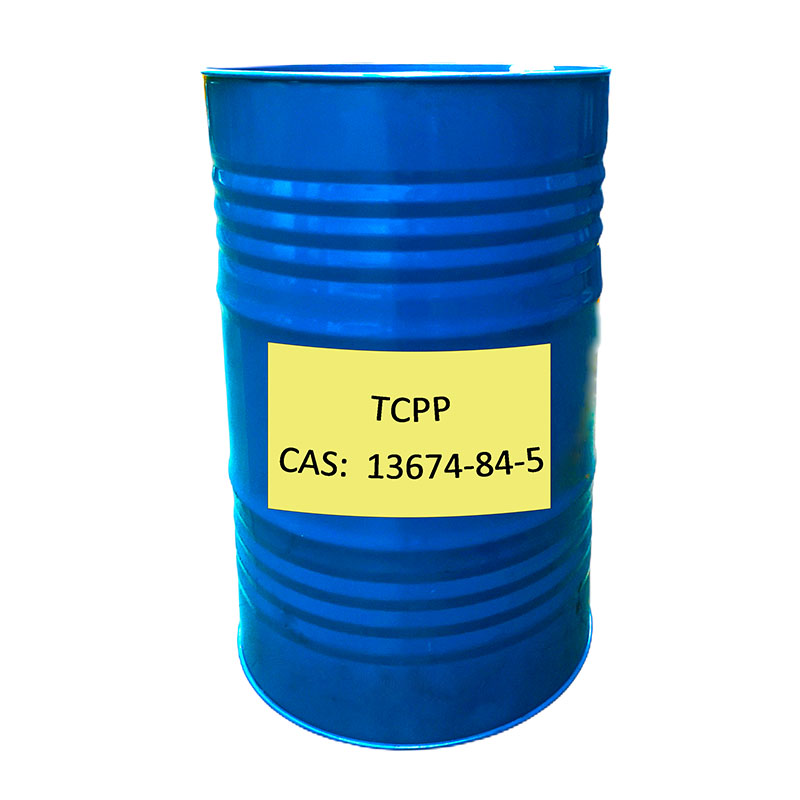
Tris(2-chloro-1-methylethyl) phosphate, Cas#13674-84-5, TCPP

  • Product Name: Tris(2-chloro-1-methylethyl) phosphate,TCPP
  • CAS Number: 13674-84-5
  • Molecular formula: C9H18Cl3O4P
  • Phosphorous content wt%: 9-9.8
  • Chlorine content wt%: 32-32.8
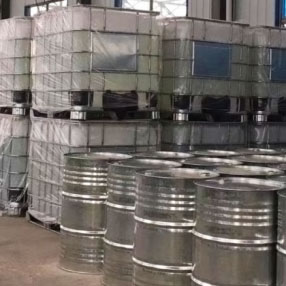
  • Package: 250KG/DR; 1250KG in IBC container
  • Product Detail

    Product Tags

    Description

    ● TCPP is a chlorinated phosphate flame retardant, which is usually used for rigid polyurethane foam (PUR and PIR) and flexible polyurethane foam.

    ● TCPP, sometimes called TMCP, is an additive flame retardant that can be added to any combination of urethane or isocyanurate on both sides to achieve long-term stability.

    ● In the application of hard foam, TCPP is widely used as a part of flame retardant to make the formula meet the most basic fire protection standards, such as DIN 4102 (B1/B2), EN 13823 (SBI, B), GB/T 8626-88 (B1/B2), and ASTM E84-00.

    ● In the application of soft foam, TCPP combined with melamine can meet the BS 5852 crib 5 standard.

    Typical Properties

    Physical properties............ Transparent liquid
    P content, % wt.................. 9.4
    CI content, % wt.................. 32.5
    Relative density @ 20 ℃............ 1.29
    Viscosity @ 25 ℃, cPs............ 65
    Acid value, mgKOH/g............<0.1
    Water content, % wt............<0.1
    Odor............ Slight, special

    Safety

    ● MOFAN has been committed to ensuring the health and safety of customers and employees.
    ● Avoid breathing vapor and mist In case of direct contact with eyes or skin, rinse immediately with plenty of water and seek medical advice In case of accidental ingestion, rinse mouth immediately with water and seek medical advice.
    ● In any case, please wear appropriate protective clothing and carefully refer to the product safety data sheet before using this product.
    FAQ

    I produce rigid polyurethane foam (PUR/PIR) for insulation panels. Why is TCPP widely used?

    TCPP is an additive chlorinated phosphate ester that provides excellent flame retardancy with good hydrolytic stability and low cost.

    My continuous PIR panel needs to pass DIN 4102 B2. What dosage of TCPP is typical?

    8–15 phr, depending on density and isocyanate index; higher index allows lower TCPP.

    Can TCPP be used in flexible polyurethane foam?

    Yes, it is used in both rigid and flexible foams; for flexible foam, typical dosage 5–10 phr.

    What is the advantage of TCPP over TCEP in rigid foam?

    TCPP has lower volatility and better resistance to migration, plus it is less restricted by environmental regulations.

    My spray foam for roofing has poor adhesion. Does TCPP affect adhesion?

    No, TCPP is compatible and does not significantly affect adhesion when used at normal levels.

    Is TCPP suitable for polyurethane elastomers and coatings?

    Yes, it can be used but may plasticize; test compatibility with the specific system.

    How does TCPP compare to non-halogenated flame retardants?

    TCPP is more efficient (lower loading required) but contains halogen; choose halogen-free for green building standards.

    My foam has smoke density issues. Can TCPP reduce smoke?

    TCPP itself does not reduce smoke; use synergists like zinc borate or magnesium hydroxide.

    What is the typical shelf life of TCPP?

    12–24 months in sealed container; it is stable under normal storage.

    Does TCPP cause yellowing in light-colored foams?

    Minimal; but avoid high temperatures and strong UV exposure.


  • Previous:
  • Next:

  • Write your message here and send it to us

    Leave Your Message