MOFAN

products

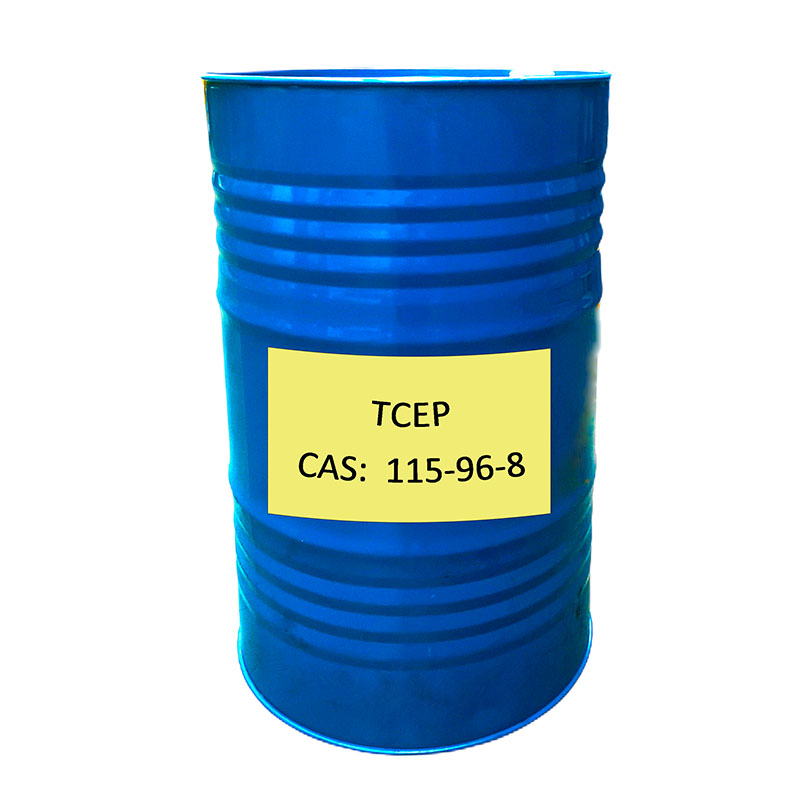
Tris(2-chloroethyl) phosphate,Cas#115-96-8,TCEP

  • Product Name: Tris(2-chloroethyl) phosphate
  • CAS Number: 115-96-8
  • Molecular formula: C6H12Cl3O4P
  • Molecular weight: 285.5
  • Product Detail

    Product Tags

    Description

    This product is a colorless or light yellow oily transparent liquid with light cream taste. It is miscible with ordinary organic solvents, but insoluble in aliphatic hydrocarbons, and has good hydrolysis stability. This product is an excellent flame retardant of synthetic materials, and has a good plasticizer effect. It is widely used in cellulose acetate, nitrocellulose varnish, ethyl cellulose, polyvinyl chloride, polyvinyl acetate, polyurethane, phenolic resin. In addition to self extinguishing, the product can also improve the physical properties of the product. The product feels soft, and can also be used as a petroleum additive and an extractant of olefinic elements, It is also the main flame retardant material for manufacturing flame retardant cable three proof tarpaulin and flame retardant rubber conveyor belt, with the general addition amount of 10-15%.

    Typical Properties

    ● Technical indicators: colorless to yellowish transparent liquid

    ● Specific gravity (15/20 ℃): 1.410 ~ 1.430

    ● Acid value (mgKOH/g) ≤ 1.0

    ● Water content (%) ≤ 0.3

    ● Flash point (℃) ≥ 210

    Safety

    ● MOFAN has been committed to ensuring the health and safety of customers and employees.

    ● Avoid breathing vapor and mist In case of direct contact with eyes or skin, rinse immediately with plenty of water and seek medical advice In case of accidental ingestion, rinse mouth immediately with water and seek medical advice.

    ● In any case, please wear appropriate protective clothing and carefully refer to the product safety data sheet before using this product.
    FAQ

    I need a cost-effective flame retardant for cellulose acetate or PVC. Is TCEP a good choice?

    Yes, TCEP is an excellent flame retardant and plasticizer for cellulose acetate, nitrocellulose, and PVC.

    My polyurethane foam application requires high hydrolysis stability. Does TCEP provide that?

    TCEP has good hydrolysis stability; however, due to environmental concerns, many regions restrict its use.

    What is the typical usage level of TCEP in rigid PU foam?

    5–10 phr, but check local regulations as TCEP is restricted in some jurisdictions (e.g., REACH).

    Can TCEP be used in varnishes and lacquers?

    Yes, it is compatible with cellulose nitrate and ethyl cellulose varnishes, providing flame retardancy and plasticization.

    Is TCEP effective in phenolic resins?

    Yes, it can be used as a flame retardant additive in phenolic molding compounds.

    My product needs a plasticizer with flame retardant properties. How does TCEP compare to TCPP?

    TCEP is more water-soluble and has better plasticizing effect, but TCPP is more commonly used in PU foam due to lower volatility and toxicity concerns.

    What is the appearance and odor of TCEP?

    Colorless to light yellow oily liquid with a mild creamy odor.

    Is TCEP soluble in aliphatic hydrocarbons?

    No, it is immiscible; it is miscible with common organic solvents like alcohols, ketones, and aromatics.

    My customer requires a halogen-free flame retardant. Is TCEP halogen-free?

    No, it contains chlorine; choose MFR-P1000 for halogen-free.

    What is the recommended storage condition for TCEP?

    Store in a dry, ventilated area; avoid contact with strong oxidizers.


  • Previous:
  • Next:

  • Write your message here and send it to us

    Leave Your Message