MOFAN

products

Flame Retardant MFR-P1000

  • Product Name: Alkyl phosphate oligomer
  • Product Grade: MFR-P1000
  • CAS Number: 184538-58-7
  • Molecular formula: C9H18Cl3O4P
  • P content(wt): 19%
  • PACKAGE: 250KG/blue steel drum
  • Product Detail

    Product Tags

    Description

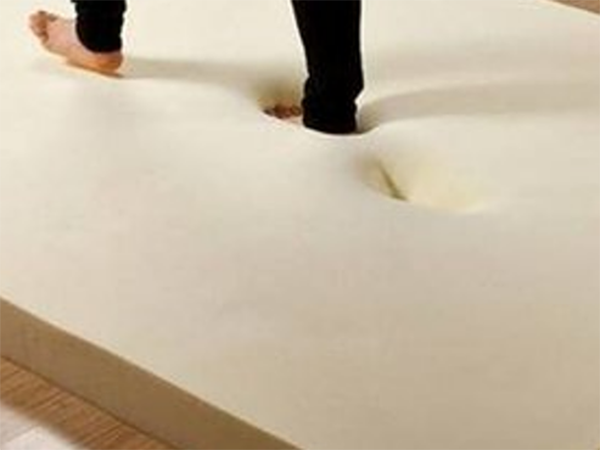
    MFR-P1000 is a highly efficient halogen-free flame retardant specially designed for polyurethane soft foam. It is a polymer oligomeric phosphate ester, with good anti-aging migration performance, low odor, low volatilization, can meet the requirements of the sponge has durability flame retardant standards. Therefore, MFR-P1000 is especially suitable for furniture and automotive flame-retardant foam, suitable for a variety of soft polyether block foam and molded foam. Its high activity makes it less than half the amount of additives required to achieve the same flame retardant requirements than traditional flame retardants. It is particularly suitable for the production of flame retardant foam to prevent ignition of low intensity flames as described in the Federal Motor Vehicle Safety Standard MVSS.No302 and soft foam that meets the California Bulletin 117 flame retardant foam standard for furniture.

    Application

    MFR-P1000 is suitable for furniture and automotive flame retardant foam.
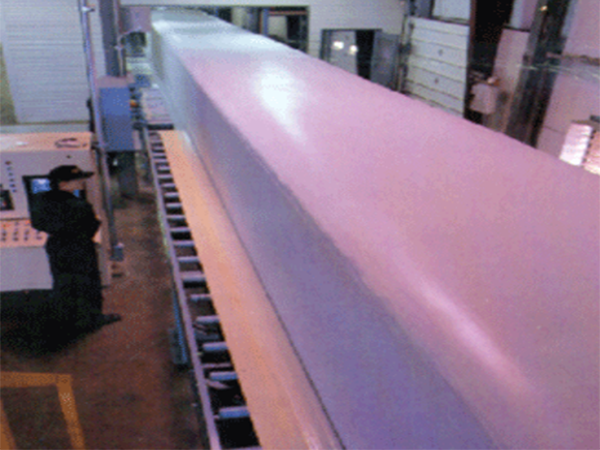
    Flame Retardant MFR-P1000 (1)
    Flame Retardant MFR-P1000 (2)

    Typical Properties

    Appearance Colorless transparent liquid
    Colour(APHA) ≤50
    Viscosity(25℃,mPas) 2500-2600
    Density(25℃,g/cm³) 1.30±0.02
    Acidity(mg KOH/g) ≤2.0
    P content(wt.%) 19
    Water content,% wt <0.1
    Flash point 208
    Solubility in water Freely soluble

    Safety

    • Keep containers tightly closed. Avoid bodily contact.
    FAQ

    I produce flexible PU foam for furniture and need a durable flame retardant that won't migrate. Why choose MFR-P1000?

    MFR-P1000 is a polymeric oligomeric phosphate ester with excellent anti-migration properties, ensuring long-term flame retardancy without blooming or surface stickiness.

    My foam fails the California TB117 test after accelerated aging. How can MFR-P1000 help?

    Its high molecular weight and low volatility prevent loss over time; it maintains flame retardancy even after heat aging or washing.

    What is the typical dosage of MFR-P1000 in conventional flexible slabstock foam?

    8–15 phr (parts per hundred polyol) depending on foam density and target standard (e.g., TB117, BS5852).

    Is MFR-P1000 suitable for automotive foam with low fogging requirements?

    Yes, it has low volatility and low fogging, meeting many OEM interior specifications.

    My foam has an unpleasant odor with some phosphate esters. Does MFR-P1000 have low odor?

    Yes, it is designed for low odor, making it suitable for furniture and automotive interiors.

    Can MFR-P1000 be used in high-resilience (HR) molded foam?

    Yes, it is compatible with HR foam formulations; typical usage 5–12 phr.

    Does MFR-P1000 affect foam processing (e.g., rise time, cell structure)?

    Minimal effect; however, higher levels may slightly soften foam; adjust isocyanate index if needed.

    My foam needs to meet BS5852 Crib 5. What level of MFR-P1000 is recommended?

    For medium-density foam (25–30 kg/m³), 12–18 phr combined with a synergist like melamine often works.

    Is MFR-P1000 compatible with other additives (e.g., silicone surfactants, amine catalysts)?

    Yes, it is fully miscible with typical polyurethane foam components.

    What is the advantage of MFR-P1000 over smallmolecule phosphate esters like TCPP?

    Much better resistance to migration and volatility, resulting in permanent flame retardancy.


  • Previous:
  • Next:

  • Write your message here and send it to us

    Leave Your Message