

![1,8-diazabicyclo[5.4.0]undec-7-ene Cas# 6674-22-2 DBU Featured Image](https://cdn.globalso.com/mofanpu/MOFAN-DBU.jpg)
![1,8-diazabicyclo[5.4.0]undec-7-ene Cas# 6674-22-2 DBU](https://cdn.globalso.com/mofanpu/MOFAN-DBU1.jpg)
![1,8-diazabicyclo[5.4.0]undec-7-ene Cas# 6674-22-2 DBU](https://cdn.globalso.com/mofanpu/N-3-dimethylaminopropyl-N-N-N-trimethyl-1-3-propanediamine-Cas3855-32-13.jpg)
1,8-diazabicyclo[5.4.0]undec-7-ene Cas# 6674-22-2 DBU
MOFAN DBU a tertiary amine that strongly promotes the urethane (polyol-isocyanate) reaction in semi-flexible microcellular foam, and in coating, adhesive, sealant and elastomer applications. It displays very strong gelation capability, imparts low odor and is used in formulations containing aliphatic isocyanates as they require exceptionally strong catalysts because they are much less active than aromatic isocyanates.
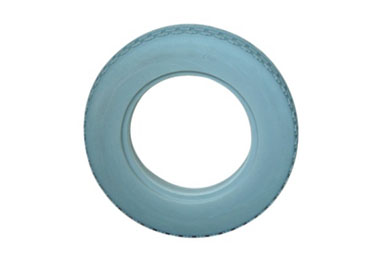
MOFAN DBU is in semi-flexible microcellular foam, and in coating, adhesive, sealant and elastomer applications

| Appearance | Colorless clear liquid |
| Flash Point (TCC) | 111°C |
| Specific Gravity (Water = 1) | 1.019 |
| Boiling Point | 259.8°C |
| Apperance,25℃ | Colorless liqiud |
| Content % | 98.00min |
| Water content % | 0.50 max |
25kg or 200 kg / drum or according to customer needs.
H301: Toxic if swallowed.
H314: Causes severe skin burns and eye damage.

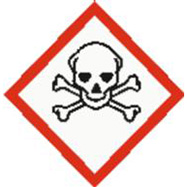
Pictograms
| Signal word | Danger |
| UN number | 2922 |
| Class | 8+6.1 |
| Proper shipping name and description | CORROSIVE LIQUID, TOXIC, N.O.S. (1,8-Diazabicyclo[5.4.0]undec-7-ene) |
Precautions for safe handling
Ensure thorough ventilation of stores and work areas. Handle in accordance with good industrial hygiene and safety practice. When using do not eat, drink or smoke. Hands and/or face should be washed before breaks and at the end of the shift.
Protection against fire and explosion
Prevent electrostatic charge - sources of ignition should be kept well clear - fire extinguishers should be kept handy.
Conditions for safe storage, including any incompatibilities
Segregate from acids and acid forming substances.
Further information on storage conditions: Keep container tightly closed in a cool, well-ventilated place.
![1-[bis[3-(dimethylamino) propyl]amino]propan-2-ol Cas#67151-63-7](https://cdn.globalso.com/mofanpu/MOFAN-50-300x300.jpg)
![N’-[3-(dimethylamino)propyl]-N,N-dimethylpropane-1,3-diamine Cas# 6711-48-4](https://cdn.globalso.com/mofanpu/MOFANCAT-15A-300x300.jpg)