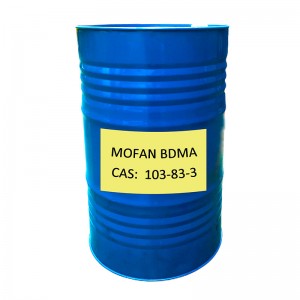
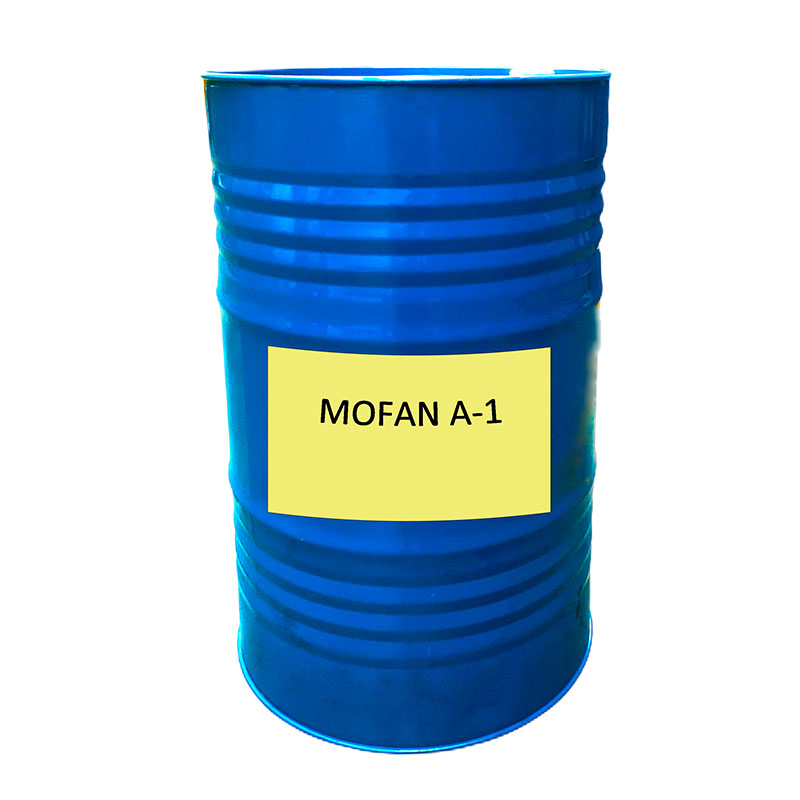
MOFAN

products

70% Bis-(2-dimethylaminoethyl)ether in DPG MOFAN A1

  • MOFAN Grade: MOFAN A-1
  • Competitor Brand: BL-11 by Evonik;Niax A-1 by Momentive;Jeffcat ZF-22 by Huntsman;Lupragen N206 by BASF;PC CAT NP90;Toyocat ET by TOSOH
  • Chemical number: 70% Bis-(2-dimethylaminoethyl)ether in DPG
  • Product Detail

    Product Tags

    Description

    MOFAN A1 is a tertiary amine which has a strong influence on the urea (water-isocyanate) reaction in flexible and rigid polyurethane foams. It consists of 70% bis(2-Dimethylaminoethyl) ether diluted with 30% dipropylene glycol.

    Application

    MOFAN A1 catalyst can be used in all types of foam formulations. The strong catalytic effect on the blowing reaction can be balanced by the addition of a strong gelling catalyst. If amine emissions are a concern, low emission alternatives are available for many end use applications.
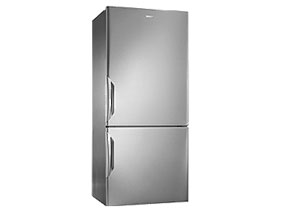
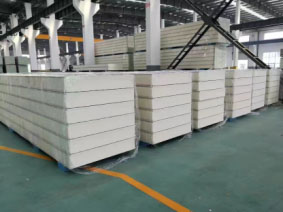
    PMDETA
    PMDETA1
    MOFANCAT T001

    Typical Properties

    Flash Point, °C (PMCC) 71
    Viscosity @ 25 °C mPa*s1 4
    Specific Gravity @ 25 °C (g/cm3) 0.9
    Water Solubility Soluble
    Calculated OH Number (mgKOH/g) 251
    Appearance Clear, colorless liquid

    Commercial specification

    Color(APHA) 150 max.
    Total amine value (meq/g) 8.61-8.86
    Water content % 0.50 max.

    Package

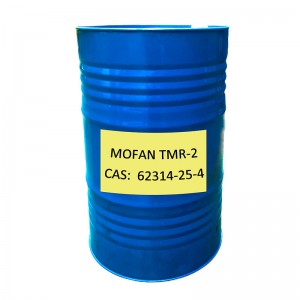
    180 kg / drum or according to customer needs.

    Hazard statements

    H314: Causes severe skin burns and eye damage.

    H311: Toxic in contact with skin.

    H332: Harmful if inhaled.

    H302: Harmful if swallowed.
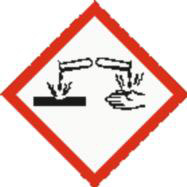
    Label elements

    2
    3

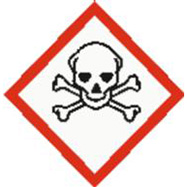
     Pictograms

    Signal word Danger
    UN number 2922
    Class 8+6.1
    Proper shipping name and description CORROSIVE LIQUID, TOXIC, N.O.S.

    Handling and storage

    Handling
    Advice on safe handling: Do not taste or swallow. Avoid contact with eyes, skin, and clothing. Avoid breathing mists or vapors. Wash hands after handling.
    Advice on protection against fire and explosion: All equipment used when handling the product must be grounded.

    Storage
    Requirements for storage areas and containers: Keep container tightly closed. Keep away from heat and flame. Keep away from acids.

    FAQ

    I want an easy-to-handle blowing catalyst for continuous slabstock. Why use MOFAN A1 instead of pure BDMAEE?

    A1 is diluted in DPG, making it less volatile, safer to handle, and easier to meter with low-cost pumps.

    My flexible foam has a tendency to scorch in hot summer. Can A1 help?

    Yes, because it is diluted, you achieve the same blowing effect with less local exotherm, reducing scorch risk.

    What is the typical dilution ratio to replace pure BDMAEE?

    1.43 kg of A1 (70%) gives the same active BDMAEE as 1 kg of pure product.

    Can A1 be used in molded foam for mattresses to improve breathability?

    Yes, its strong blow action opens cells, increasing airflow by 30–40%.

    My water-blown rigid foam has poor dimensional stability. Will A1 fix it?

    No, rigid foam requires a strong gel or trimer catalyst. A1 will make it worse.

    How do I store A1 in winter?

    A1 can freeze below -10°C; keep in a heated warehouse or warm the drum to 20°C before use.

    Is A1 compatible with amine neutralizers in polyurethane coatings?

    Yes, but test for compatibility as DPG may affect film hardness.

    My slabstock foam has a density gradient (top lighter, bottom heavier). How to correct?

    Increase A1 by 0.02–0.04 phr to promote faster rise and more uniform density.

    Can A1 be used in high-resilience foam formulations?

    Yes, but at a lower dosage (0.05–0.1 phr) to avoid over-blowing and cell collapse.

    What is the best co-catalyst for A1 in a cost-sensitive formulation?

    MOFAN 33LV (TEDA solution) provides the best cost/performance balance.


  • Previous:
  • Next:

  • Write your message here and send it to us

    Leave Your Message