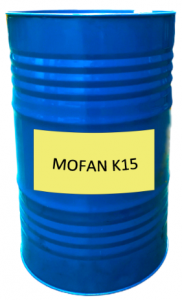


Dibutyltin Diacetate
Dibutyltin Diacetate is a clear to pale yellow transparent liquid with a slight characteristic ester odor. It is a organotin compound with good catalytic activity and stability, widely used in various chemical synthesis and polymer processing fields.
●Primary catalyst for the synthesis of polyurethane (PU) products, including flexible foams, rigid foams, coatings, adhesives, and elastomers, which can significantly accelerate the curing reaction of PU systems.
●Catalyst for silicone rubber curing, promoting the crosslinking reaction of silicone polymers and improving the mechanical properties of the product.
●Crosslinking agent and stabilizer in polymer systems, such as PVC, to enhance the thermal stability and processing performance of the polymer.
●Catalyst for esterification and transesterification reactions in organic synthesis, applicable to the production of esters, plasticizers, and other fine chemicals.


| Appearance | Clear to pale yellow liquid |
| Purity,% | ≥98 |
| Tin content (Sn), % | 32-33 |
| Density g/cm3 | 1.3 |
| Viscosity mPa.s @25℃ | 20-30 |
| Tin content (Sn), % | 32-33 |
25kg/drum or according to customer needs.
H314 Causes severe skin burns and eye damage.
H317 May cause an allergic skin reaction.
H341 Suspected of causing genetic defects.
H360 May damage fertility or the unborn child.
H370 Causes damage to organs (thymus gland) if swallowed.
H372 Causes damage to organs (thymus gland) through prolonged or repeated exposure if
swallowed.
H410 Very toxic to aquatic life with long lasting effects.

Pictograms
| Signal word | Danger |
| UN number: | 2922 |
| Class: | 8+6.1 |
| Proper shipping name and description: | CORROSIVE LIQUID, TOXIC, N.O.S. (Dibutyltin diacetate) |
| Chemical name: | Dibutyltin Diacetate |
●Store in a cool, dry, well-ventilated warehouse, away from heat sources, open flames, and direct sunlight. The storage temperature should be controlled between 5℃ - 30℃.
●Keep the container tightly sealed when not in use to prevent moisture absorption, oxidation, and leakage.
●Avoid contact with strong acids, strong bases, oxidants, and reducing agents to prevent chemical reactions.
●During handling, wear appropriate personal protective equipment (PPE), including chemical-resistant gloves, goggles, and protective clothing, to avoid direct contact with skin, eyes, and respiratory tract.
●Shelf life: 12 months from the date of production when stored in sealed and proper conditions. If the product exceeds the shelf life, it can be used only after passing the re-inspection.