MOFAN

products

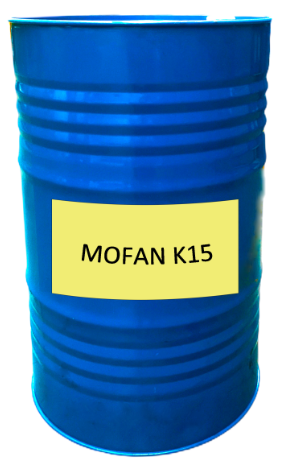
Potassium 2-ethylhexanoate Solution, MOFAN K15

  • MOFAN Grade: MOFAN K15
  • Chemical name: Potassium acetate solution
  • Product Detail

    Product Tags

    Description

    MOFAN K15 is a solution of potassium-salt in diethylene glycol. It promotes the isocyanurate reaction and is used in a wide range of rigid foam applications. For better surface curing, improved adhesion and better flow alternatives, consider TMR-2 catalysts

    Application

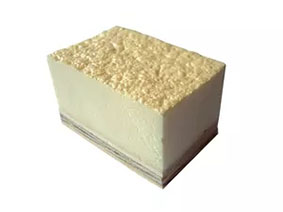
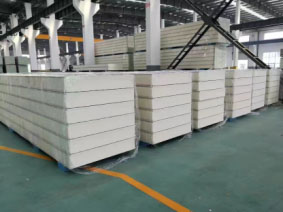
    MOFAN K15 is PIR laminate boardstock, Polyurethane continuous panel, spray foam etc.
    PMDETA1
    PMDETA2

    Typical Properties

    Appearance Light yellow liquid
    Specific gravity, 25℃ 1.13
    Viscosity, 25℃, mPa.s 7000Max.
    Flash point, PMCC, ℃ 138
    Water solubility Soluble
    OH value mgKOH/g 271

    Commercial specification

    Purity, % 74.5~75.5
    Water content, % 4 max.

    Package

    200 kg / drum or according to customer needs.

    Handling and storage

    Advice on safe handling
    Handle in accordance with god industrial hygiene and safety practice. Avoid contact with skin and eyes. Provide sufficient air exchange and/or exhaust in work rooms. Pregnant and nursing women may not be exposed to the product. Take in consideration the national regulation.

    Hygiene Measures
    Smoking, eating and drinking should be prohibited in the application area. Wash hands before breaks and at the end of the workday.

    Requirements for storage areas and containers
    keep away from heat and sources of ignition. Protect against light. Keep container tightly closed in a dry and well-ventilated place.

    Advice on protection against fire and explosion
    Keep away from sources of ignition. No smoking.

    Advice on common storage
    Incompatible with oxidizing agents.

    FAQ

    I produce PIR rigid foam panels requiring high flame resistance. How does K 15 work?

    K 15 is a potassium-based trimerization catalyst that promotes isocyanurate ring formation, significantly improving fire performance.

    My continuous laminating line for PIR board is too slow. Can K 15 increase line speed?

    Yes, at 0.5–1.5 phr it accelerates trimerization, allowing higher line speeds (up to 20% faster).

    What is the difference between K 15 and potassium acetate (K 2097)?

    K 15 (2-ethylhexanoate) is more soluble in polyols and gives a longer cream time, better for complex molds.

    My rigid foam has poor adhesion to aluminum foil. How to improve with K 15?

    Reduce K 15 to 0.3–0.6 phr and add a small amount of a gel catalyst (e.g., MOFAN 8) to balance.

    Can K 15 be used in spray PIR foam for roofing?

    Yes, it provides good dimensional stability and fire performance; use 0.8–1.2 phr.

    What is the typical isocyanate index (NCO/OH) when using K 15?

    250–400 for PIR foam; higher index gives better flame resistance but more brittleness.

    Does K 15 cause corrosion on metal facers?

    Potassium salts are mildly corrosive; avoid direct contact with aluminum; use a barrier if needed.

    My foam has high friability (dusting). How to reduce it?

    Blend K 15 with a potassium acetate trimer catalyst (e.g., MOFAN 2097) at a 1:1 ratio to reduce brittleness.

    Is MOFAN K 15 equivalent to K 15?

    Yes, direct replacement; same concentration and activity.

    How should I store K 15?

    As a solution in diethylene glycol; store in sealed container above 5°C to avoid crystallization.


  • Previous:
  • Next:

  • Write your message here and send it to us

    Leave Your Message