

Butyltin tris-(2-ethoxyhexanoate)
Butyltin tris(2-ethylhexanoate) is a clear to pale yellow viscous liquid organotin compound, with good thermal stability and compatibility. It is a high-efficiency catalyst widely used in esterification, transesterification, and polycondensation reactions, and also serves as a stabilizer in certain polymer processing processes. The product has low volatility, excellent catalytic activity, and can significantly accelerate reaction rates, reduce reaction temperatures, and improve product yields and quality.
●Esterification Reactions: Used as a high-efficiency catalyst in the synthesis of various esters (such as phthalate esters, adipate esters, and citrate esters), suitable for the production of plasticizers, lubricants, and flavor and fragrance intermediates.
●Transesterification Reactions: Catalyzes the transesterification of esters and alcohols, widely used in the production of biodiesel, polyester monomers, and other products.
●Polycondensation Reactions: Serves as a catalyst in the polycondensation of diols and dicarboxylic acids (or their esters) to synthesize polyester resins (such as PET, PBT) and polyurethane resins, improving reaction efficiency and product molecular weight.
●Used as a heat stabilizer in the processing of PVC and other halogen-containing polymers, improving the thermal stability and processing performance of the products; also used as a crosslinking catalyst for silicone rubber and epoxy resins.


| Appearance | Clear to pale yellow viscous liquid |
| Purity,% | ≥98 |
| Tin content (Sn), % | 19-20 |
| Density g/cm3 | 1.05-1.08 |
| Viscostiy mPa.s @25℃ | 15-150 |
| Chlorine (Cl) content,% | ≤0.1 |
| Tin content (Sn), % | 19-20 |
| Chlorine (Cl) content,% | ≤0.1 |
| Acid Value, mgKOH/G | 250-270 |
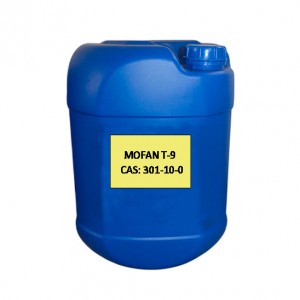
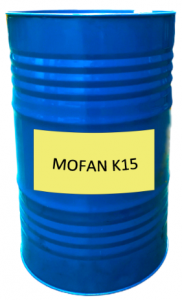
25kg/drum or according to customer needs.
H301: Toxic if swallowed.
H311: Toxic in contact with skin.
H315: Causes skin irritation.
H319: Causes serious eye irritation.
H331: Toxic if inhaled.
H335: May cause respiratory irritation.

Pictograms
| Signal word | Danger |
| UN number: | 2922 |
| Class: | 8+6.1 |
| Proper shipping name and description: | CORROSIVE LIQUID, TOXIC, N.O.S. |
| Chemical name: | Butyltin tris(2-ethylhexanoate) |
Handling Precautions
●Operate in a well-ventilated environment, avoid direct contact with skin, eyes, and respiratory tract; wear personal protective equipment (chemical safety goggles, nitrile gloves, and protective clothing) during operation.
●Handle with care to avoid collision, leakage, and splashing; do not mix with strong acids, strong alkalis, oxidants, and food-grade materials.
●Do not eat, drink, or smoke in the operation area; wash hands, face, and other exposed parts thoroughly with soap and water after operation.
●Use dedicated tools and equipment for handling, and clean them thoroughly after use to avoid cross-contamination.
Storage Conditions
●Store in a cool, dry, well-ventilated warehouse, away from fire sources, heat sources, and direct sunlight; the storage temperature should be 5-30℃, avoid high temperature and humidity.
●Keep the container tightly closed to prevent volatilization and moisture absorption; store in a sealed container made of HDPE, PP, or glass.
●Store separately from strong acids, strong alkalis, oxidants, food, beverages, and feed, and mark clearly with product name, CAS number, and hazard signs.
●Shelf Life: 12 months under proper storage conditions; expired products should be re-inspected, and can be used only if they meet the indicators.