


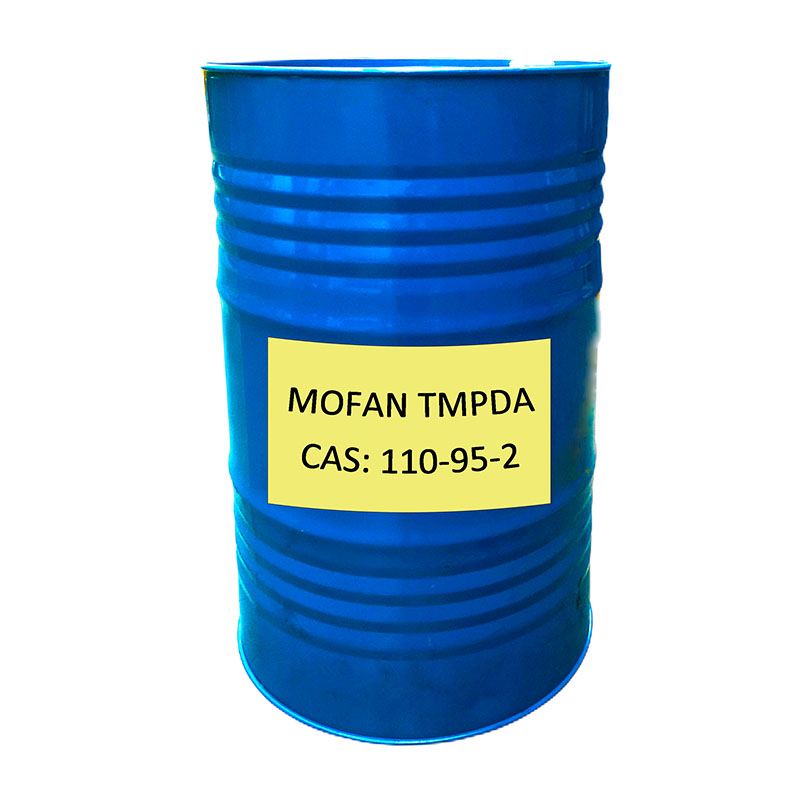


Tetramethylpropanediamine Cas#110-95-2 TMPDA
MOFAN TMPDA, CAS: 110-95-2, colorless to light yellow transparent liquid, soluble in water and alcohol. It is mainly used for the production of polyurethane foam and polyurethane microporous elastomers. It can also be used as curing catalyst for epoxy resin. Acts as specific hardener or accelerator for paints, foams and adhesive resins. Is a non-flammable, clear/ colorless liquid.

| Appearance | Clear liquid |
| Flash Point (TCC) | 31°C |
| Specific Gravity (Water = 1) | 0.778 |
| Boiling Point | 141.5°C |
| Apperance, 25℃ | Colorless to light yellow liqiud |
| Content % | 98.00min |
| Water content % | 0.50 max |
160 kg / drum or according to customer needs.
H226: Flammable liquid and vapour.
H302: Harmful if swallowed.
H312: Harmful in contact with skin.
H331: Toxic if inhaled.
H314: Causes severe skin burns and eye damage.
H335: May cause respiratory irritation.
H411: Toxic to aquatic life with long lasting effects.
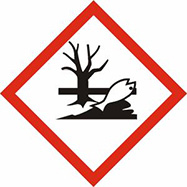
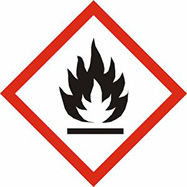
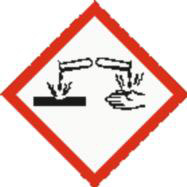
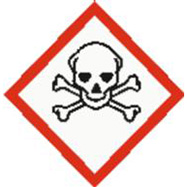
Pictograms
| Signal word | Danger |
| UN number | 2929 |
| Class | 6.1+3 |
| Proper shipping name and description | Toxic liquid, flammable, organic, n.o.s. (Tetramethylpropylenediamine) |
| Chemical name | (Tetramethylpropylenediamine) |
Precautions for safe handling:Technical measures/Precautions
Storage and handling precautions applicable to products: Liquid. Toxic. Corrosive. Flammable. Dangerous for the environment. Provide appropriate exhaust ventilation at machinery.
Safe handling advice
Smoking, eating and drinking should be prohibited in the application area. Take precautionary measures against static discharges. Open drum carefully as content may be under pressure. Provide fire-blanket nearby. Provide showers, eye-baths. Provide water supplies near the point of use. Do not use air for transfers. Prohibit all sources of sparks and ignition - Do not smoke. Use only in an area containing explosion proof equipment.
Hygiene measures
Prohibit contact with skin and eyes and inhalation of vapours. When using do not eat, drink or smoke.
Wash hands after handling. Remove contaminated clothing and protective equipment before entering eating areas.
Conditions for safe storage, including any incompatibilities:
Keep in a dry, cool and well-ventilated place. Containers which are opened must be carefully resealed and kept upright to prevent leakage.
Store protected from moisture and heat. Remove all sources of ignition. Provide a catch-tank in a bunded area. Provide impermeable floor.
Provide waterproof electrical equipment. Provide electrical earthing of equipment and electrical equipment usable in explosive atmospheres.
Do not store above: 50 °C
Incompatible products:
Strong oxidizing agents, Perchlorates, Nitrates, Peroxides, Strong acids, Water, Halogens, Product likely to react violently in alkaline environment, Nitrites, Nitrous acid - Nitrites - Oxygen.
![2-[2-(dimethylamino)ethoxy]ethanol Cas#1704-62-7](https://cdn.globalso.com/mofanpu/MOFAN-DMAEE-300x300.jpg)
![N’-[3-(dimethylamino)propyl]-N,N-dimethylpropane-1,3-diamine Cas# 6711-48-4](https://cdn.globalso.com/mofanpu/MOFANCAT-15A-300x300.jpg)
![1-[bis[3-(dimethylamino) propyl]amino]propan-2-ol Cas#67151-63-7](https://cdn.globalso.com/mofanpu/MOFAN-50-300x300.jpg)